
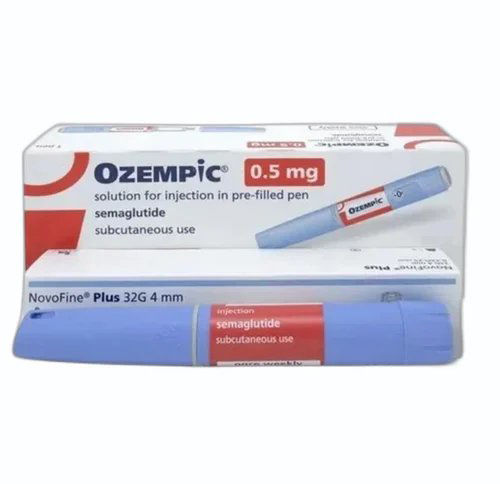
Finding the Affordable Ozempic conversation everywhere is no surprise. Interest in medically guided weight management has surged, and with it comes curiosity about options that deliver comparable benefits with different price points, access models, or formulations. The search for the best Ozempic alternative reflects a thoughtful approach to health, one that values effectiveness, safety, and long term practicality rather than hype alone.
Ozempic is known for its active compound semaglutide, which influences appetite regulation and metabolic signaling. It helps many people feel satisfied sooner and maintain steadier eating patterns. Yet cost, availability, and eligibility can limit access. This reality has encouraged patients and clinicians alike to explore alternatives that operate on similar physiological pathways while offering distinct advantages.
Understanding What Makes an Effective Alternative
An effective alternative to Ozempic is not defined solely by weight change. It must engage comparable biological mechanisms, support metabolic balance, and integrate smoothly into daily life. Many alternatives focus on GLP 1 receptor activity or adjacent hormonal pathways that influence satiety and insulin sensitivity.
Some prescription options utilize different compounds within the same therapeutic class. Others combine lower dose pharmacology with structured lifestyle support. The goal is not replication but functional equivalence, achieving meaningful outcomes through diverse methods.
What matters most is alignment. The right option should fit an individual’s medical profile, preferences, and capacity for adherence.
Prescription Based Alternatives Worth Knowing
Several prescription medications are positioned as credible options for those seeking an alternative path. These therapies often target appetite regulation, energy utilization, or glucose response. While each has unique characteristics, they share a commitment to evidence based care.
Clinician supervision remains central. Alternatives that require prescription ensure that screening, dosing, and follow up are part of the process. This safeguards both efficacy and safety. For many patients, this structured oversight enhances confidence and consistency.
Cost can vary widely. Some alternatives benefit from broader insurance coverage or different manufacturing economics, making them more accessible for long term use.
Non Injectable and Hybrid Approaches
Not everyone prefers injections. Oral medications and hybrid programs offer a different experience while still addressing core metabolic challenges. These approaches may combine pharmacological support with nutritional guidance, behavioral coaching, and regular monitoring.
The synergy of these elements can be powerful. Medication reduces physiological resistance, while lifestyle frameworks reinforce sustainable habits. Over time, this combination often yields durable results that extend beyond the treatment period.
These models appeal to individuals who value flexibility and comprehensive care rather than a single intervention.
Evaluating Safety and Legitimacy
Safety is non negotiable. Any alternative should be supported by clinical data and prescribed by qualified professionals. Rapid claims or unregulated products undermine trust and can introduce unnecessary risk.
Legitimate providers emphasize transparency. They explain how a treatment works, what to expect, and how progress will be evaluated. This clarity empowers patients to make informed decisions.
Affordability should enhance access, not compromise standards. Responsible alternatives respect the complexity of metabolic health.
Cost Considerations and Long Term Value
The appeal of a best Ozempic alternative often intersects with financial sustainability. Weight management is rarely a short term endeavor. Ongoing costs matter.
Alternatives that offer predictable pricing, insurance compatibility, or bundled services can ease financial strain. This predictability supports adherence, which is crucial for meaningful outcomes.
Value extends beyond price. It includes support quality, convenience, and the likelihood of maintaining progress over time.
Personalization as the Defining Factor
No single option suits everyone. Genetics, lifestyle, medical history, and personal goals all influence response. The most successful alternatives are those chosen through collaborative decision making between patient and clinician.
Personalization transforms treatment from a generic solution into a tailored strategy. This individualized approach often determines whether progress feels effortless or burdensome.
Listening to the body and adjusting accordingly is part of the process. Flexibility is a strength, not a setback.
The Future of Weight Management Options
Innovation continues to expand the landscape of metabolic care. New therapies, delivery methods, and care models are emerging with a focus on accessibility and patient experience.
As this evolution unfolds, alternatives to Ozempic will become more refined and diverse. Patients will have greater agency, more choices, and clearer pathways to health that align with their realities.
Exploring alternatives is not about settling. It is about selecting the option that fits best. With informed guidance and realistic expectations, the journey toward sustainable well being becomes not only possible but genuinely encouraging.
More Stories
Breakthroughs in Wellness: The Latest Health News That Could Change Your Life
Future-Proofing Healthcare: Cutting-Edge Medical Updates You Can’t Afford to Miss
Unveiling the Hidden Links: How Your Gut Health Shapes Your Mind and Body